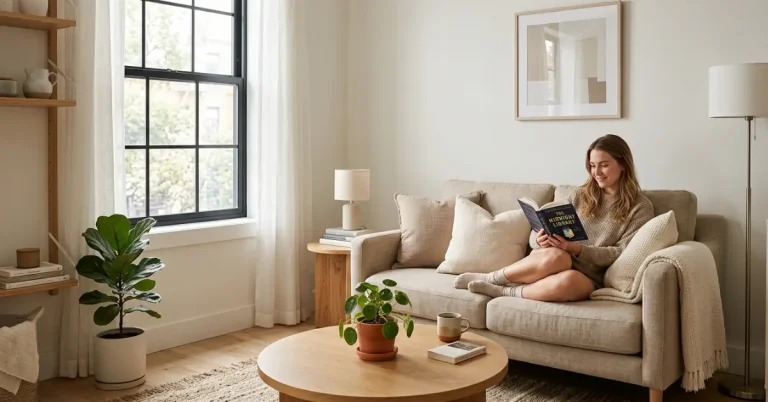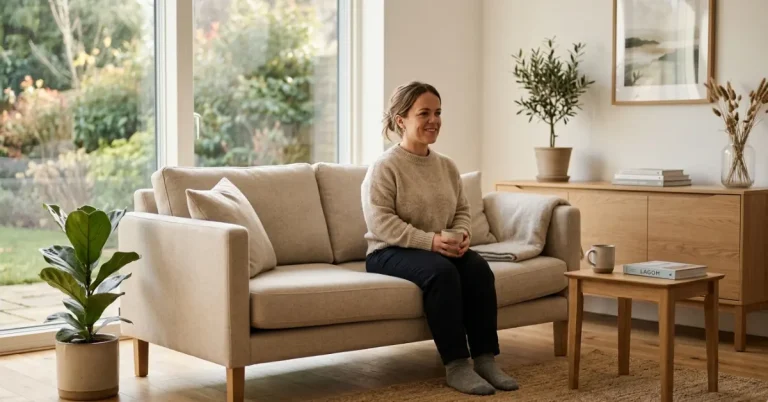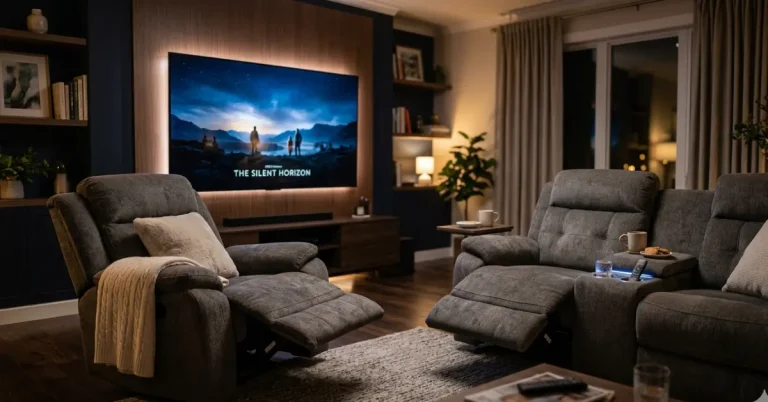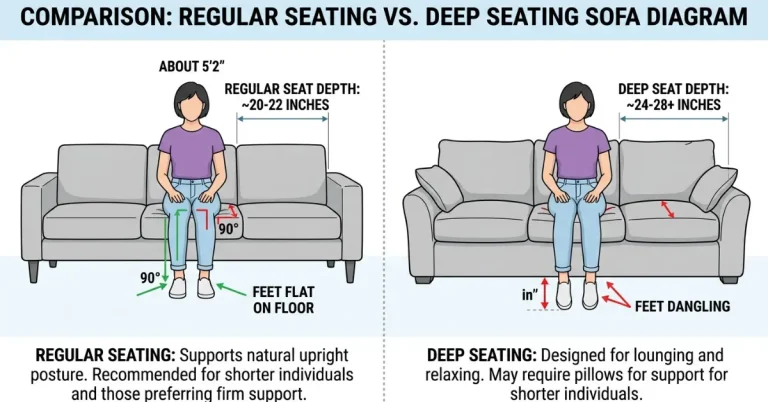
Choosing the right reclining sofa for short people is often difficult because most furniture is designed around average body proportions rather than petite or below-average height users. This creates common issues such as feet not reaching the floor, excessive seat depth and poor lumbar support.
If you are searching for terms like “best recliner for short person,” “small recliner sofa for small height,” or “ergonomic recliner for petite users,” the core problem is the same: standard recliners rarely match shorter leg length and torso proportions without adjustment or careful selection.
This guide explains how to choose a reclining sofa based on proper fit, seat dimensions, and ergonomic alignment, not just appearance or brand popularity. It also covers how seat height, seat depth, and back support work together to improve posture and long-term comfort.
You will also learn:
- How to identify recliners that suit shorter body types (e.g., 5’0″–5’7″)
- What measurements matter most for comfort and support
- Which recliner types and features improve fit (manual vs power, compact vs standard)
- How to test a recliner before buying to avoid posture-related discomfort
The goal is to help you confidently select a recliner that supports natural posture, reduces strain, and fits your body proportions correctly from day one.
Key Fit Issues for Short People
1. Seat Height
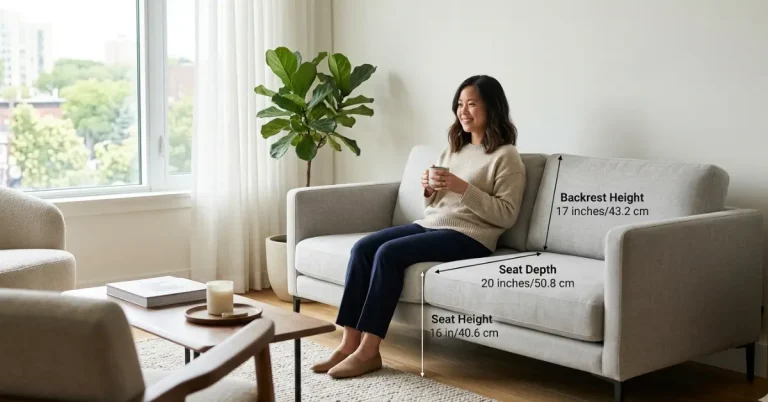
Seat height is the distance from the floor to the top of the seat cushion.
- Ideal: Feet rest flat on the floor with knees at a 90-degree angle
- Too high: Legs dangle, causing pressure under the thighs
2. Seat Depth
Seat depth is the distance from the front edge of the seat to the backrest.
- Ideal: Back rests fully against the cushion while knees remain slightly bent
- Too deep: Forces the user to slide forward, reducing back support
3. Backrest Height and Lumbar Position
The backrest should align with the natural curve of the spine.
- Poor alignment: Causes neck strain and lower back discomfort
- Correct alignment: Supports the lower back (lumbar region) and keeps the head in a neutral position
Why Standard Recliners Fail
Most recliners prioritize overall size, width, and cushioning softness. They often ignore proportional adjustments for smaller users. This leads to:
- Poor posture due to incorrect seat dimensions
- Increased muscle strain in the neck and lower back
- Reduced stability when reclining
A properly fitted recliner must balance seat height, depth, and back support, not just general comfort.
How to Identify a Good Recliner Fit
Use these measurable checks when evaluating a reclining sofa:
1. Sit Test (Upright Position)
- Feet should touch the floor completely
- Lower back should contact the backrest without gaps
- Knees should bend naturally without pressure
2. Recline Test
- Footrest should support the entire lower leg
- Headrest should align with the head, not push it forward
- Body should remain stable without sliding
3. Measurement Guidelines
- Seat height: Lower than average models
- Seat depth: Shorter to match leg length
- Backrest: Positioned to support mid-to-lower spine
What to Look for in Product Options
When comparing reclining sofas, prioritize:
- Compact or “small-scale” designs
- Adjustable headrests or lumbar support
- Shallower seat depth specifications
- Lower seat height measurements
Avoid relying only on product labels like “comfortable” or “ergonomic.” These terms are vague and do not guarantee proper fit.
Shorter users need reclining sofas designed with proportional accuracy, not just general comfort. The most important factors are:
- Correct seat height for stable footing
- Proper seat depth for full back support
- Aligned backrest for spine and neck comfort
Using clear measurements and simple fit tests allows you to select a recliner that feels stable, supportive, and correctly scaled to your body.
What Makes a Reclining Sofa Good for Short People? (Fit, Comfort, and Ergonomic Factors)
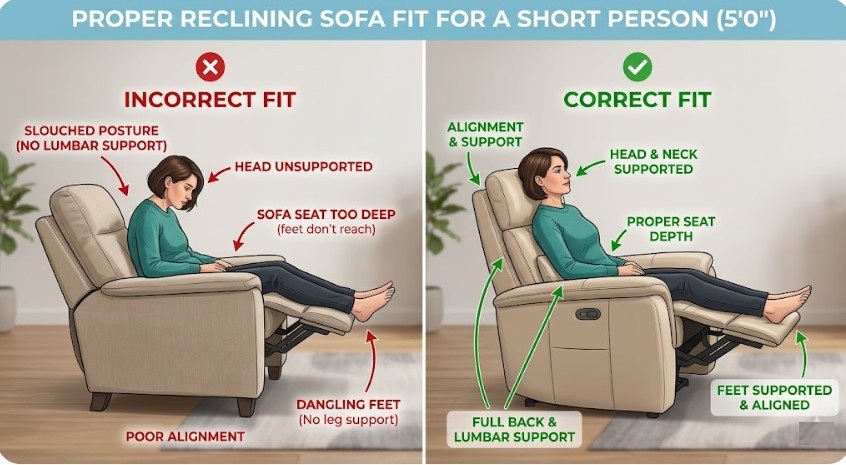
A reclining sofa for short people is considered “good” when it matches body proportions and sitting ergonomics, not just when it looks comfortable or compact. Many users searching for “best recliner for short person,” “petite-friendly sofa recliner,” or “small recliner for short height” are actually looking for proper seat fit, posture support, and adjustability, not just softer cushioning.
True comfort depends on how well the recliner supports your legs, lower back, shoulders, and neck in a natural position during both sitting and reclining.
1. Seat Height: Foot Placement and Circulation Support
Seat height is the distance from the floor to the seat cushion.
Why it matters for short users
- Determines whether feet rest flat on the floor
- Affects knee angle and thigh pressure
- Influences circulation during long sitting sessions
Ideal outcome
A good fit allows:
- Feet flat on the floor
- Knees bent at a natural 90-degree angle
- No pressure under the thighs
If the seat is too high, it can cause dangling legs and discomfort, especially during extended TV watching or relaxation.
2. Seat Depth: Key Factor for Back Support in Petite Users
Seat depth is the distance from the front edge of the seat to the backrest.
Why it matters
Seat depth is one of the most important factors for short people recliner comfort because it directly affects posture.
Common issues with incorrect depth
- Too deep: user slides forward and loses back support
- Too shallow: thighs are not fully supported
Ideal outcome
A proper fit ensures:
- Full back contact with the backrest
- No need to lean forward or slouch
- Stable lumbar (lower back) support
3. Backrest and Headrest Alignment (Posture Support)
The backrest supports the spine, while the headrest supports the neck and head.
Why alignment matters
For shorter users, standard recliners often place the headrest too high or too far back.
Problems caused by poor alignment
- Neck strain during reading or TV watching
- Upper back tension
- Head pushed forward in an unnatural position
Ideal outcome
A well-designed recliner keeps:
- Spine in a neutral position
- Neck comfortably supported
- Shoulders relaxed without strain
4. Reclining Mechanism: Smooth Movement and Body Stability
The reclining mechanism controls how the sofa transitions from upright to reclined positions.
Why it matters for short users
Poorly designed mechanisms can disrupt posture during movement.
Common issues
- Footrest extends too early
- Body shifts forward or slides
- Sudden angle changes cause misalignment
Ideal outcome
A good recliner provides:
- Smooth, controlled movement
- Stable body position during transition
- Balanced support for hips, legs, and back
This is especially important for power recliners for short people, where precision adjustment improves comfort.
5. Armrest Height: Shoulder and Upper Body Comfort
Armrest height affects how the shoulders and arms are positioned while sitting or reclining.
Why it matters
Incorrect armrest height can lead to upper body tension.
Problems with poor armrest height
- Too high: shoulders rise and feel strained
- Too low: arms lack support and posture collapses
Ideal outcome
A properly sized recliner ensures:
- Relaxed shoulders
- Natural elbow support
- Balanced upper body posture
Key Summary
A reclining sofa is considered well-suited for short users when it provides:
- Correct seat height for flat foot placement
- Proper seat depth for full back contact
- Aligned backrest and headrest for spine support
- Smooth reclining motion without posture disruption
- Comfortable armrest height for relaxed shoulders
Ideal Recliner Dimensions for Short People (Quick Reference Guide)
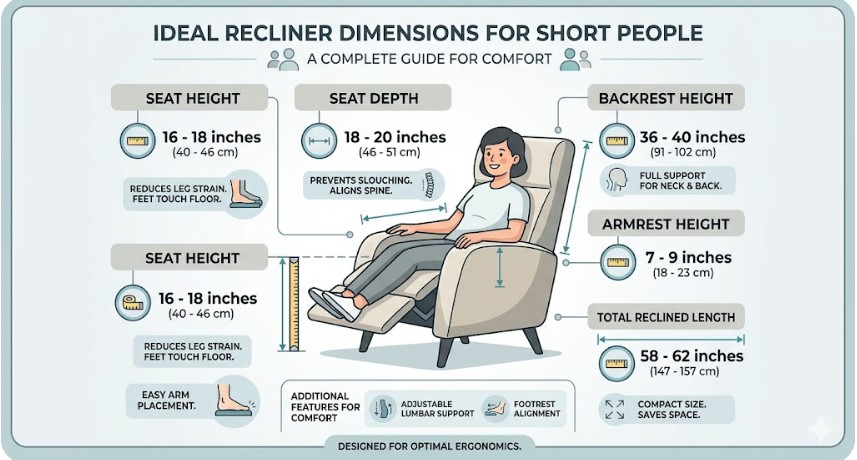
When choosing a reclining sofa for short people or petite users, overall sofa size is less important than key ergonomic dimensions like seat height, seat depth, and back support alignment. These measurements determine whether a recliner will support proper posture or cause discomfort.
This guide also helps answer common searches like “best recliner size for 5’2 height,” “small recliner dimensions for short users,” and “what seat height is best for petite people.”
Recommended Recliner Dimensions by Height Range
| User Height Range | Ideal Seat Height (floor to cushion) | Ideal Seat Depth (front to backrest) | Backrest Support Height |
| Under 5’0” | 16–18 inches | 18–20 inches | Low to mid-back support at shoulder level |
| 5’0” to 5’4” | 17–19 inches | 19–21 inches | Mid-back support with natural head alignment |
| 5’5” to 5’7” | 18–20 inches | 20–22 inches | Standard back height; adjustable headrest preferred |
How to Choose the Right Seat Height for Short Users
Seat height determines how easily your feet reach the floor.
Why it matters
Proper seat height improves:
- Foot stability
- Knee comfort
- Blood circulation during long sitting sessions
Ideal outcome
A well-fitted recliner allows:
- Feet flat on the floor
- Knees bent at a natural angle
- No pressure under thighs
How to Choose Seat Depth for Better Posture Support
Seat depth affects how well your back stays supported.
Why it matters for petite users
Shorter users often struggle with deep seats that are designed for average-height adults.
Ideal outcome
A properly sized seat depth ensures:
- Full contact with the backrest
- No sliding forward
- Stable lumbar (lower back) support
This is one of the most important factors in ergonomic recliners for short people.
Backrest Height and Head Support Alignment
The backrest supports your spine, while the headrest supports your neck and head.
Why alignment is critical
Incorrect backrest height can cause:
- Neck strain
- Shoulder tension
- Poor posture during TV watching or reading
Ideal outcome
A good recliner provides:
- Support for upper and lower back
- Head resting naturally without pushing forward
- Balanced spinal alignment
How to Use This Size Guide When Buying a Recliner
Use these measurements as a filtering tool when comparing recliners online or in-store:
- Eliminate models with excessive seat depth
- Avoid overly high seat heights for shorter legs
- Prioritize adjustable headrests or lumbar support when possible
These dimensions are guidelines, not strict limits. Individual comfort may vary slightly, but staying within these ranges significantly increases the likelihood of proper fit and long-term comfort.
Types of Reclining Sofas That Work Best for Short People
The effectiveness of a reclining sofa for short people depends on both size and design type.
Design type refers to how the recliner is built, including its frame size, reclining motion, and adjustability features.
Certain recliner styles naturally provide better fit, alignment, and comfort for shorter body proportions.
1. Compact Recliners (Best Overall Fit for Short Users)
Definition: Compact recliners are designed with smaller overall proportions, including reduced seat depth, lower back height, and narrower seating width.
Why they work for short people
- Naturally scaled for smaller body frames
- Easier full back contact
- Less risk of sliding forward
Key benefit
They provide the most ergonomically balanced fit without requiring adjustments.
Best for
- Short users (5’0″–5’7″)
- Small living rooms or apartments
- Users who want a simple, ready-to-use fit
2. Wall Hugger Recliners (Best for Small Spaces)
Definition: Wall hugger recliners move forward as they recline instead of extending far backward.
Why they work for short users
- Encourage more upright seating posture
- Reduce overly deep recline angles
- Often paired with compact seat designs
Key benefit
Ideal for tight spaces where posture-friendly recline is still needed.
Best for
- Apartments and small rooms
- Users who sit upright more often than fully recline
- Space-limited setups
3. Power Recliners with Adjustable Headrests (Best for Custom Fit)
Definition: Power recliners use electric controls to adjust the backrest, footrest, and sometimes the headrest independently.
Why they work for short people
- Allow precise positioning for better body alignment
- Help fix mismatched seat depth or backrest height
- Reduce neck and lower back strain
Key benefit
High level of personalized ergonomic adjustment for petite users.
Best for
- Users with posture or back support needs
- People who want fine control over seating angles
- Long-duration TV or relaxation use
4. Loveseat Recliners (Best for Proportional Seating)
Definition: Loveseat recliners are two-seat sofas with individual reclining sections.
Why they work for short people
- Each seat is narrower and more proportionate
- Reduced seat depth compared to large sofas
- Better individual support per user
Key benefit
More balanced seating geometry for smaller body frames.
Best for
- Couples or shared seating
- Users who prefer defined seating zones
- Medium-sized living rooms
5. Modular Sofas with Recliner Sections (Best for Flexible Layouts)
Definition: Modular sofas consist of separate sections that can be rearranged or customized.
Why they work for short people
- Allow selection of better-fitting sections
- Flexible seat spacing and configuration
- Can be adapted to individual comfort needs
Key benefit
Customizable seating arrangement for improved ergonomic fit.
Best for
- Users who want flexibility in room layout
- Families with mixed body sizes
- Modern customizable living spaces
Summary: Choosing the Right Recliner Type for Short People
The best reclining sofa type depends on your space and comfort needs:
- Compact recliners → best overall ergonomic fit
- Wall hugger recliners → best for small rooms
- Power recliners → best for precise posture adjustment
- Loveseat recliners → best for proportional seating
- Modular recliners → best for flexible customization
Product Comparison: Reclining Sofas for Short People
Here is a clear comparison of the 5 reclining sofas based on how well they fit shorter users in terms of seat depth, adjustability, space efficiency, and ergonomic support.
| Attribute | GNMLP2020 3-Seater Recliner Sofa | LURVIA 75” Manual Reclining Sofa | GNMLP2020 Manual Recliner Sofa 3-Seater | GNMLP2020 3-Seater Recliner Sofa Set | MCombo PR635M3 Power Reclining Sofa |
| Seat Depth | ~20.87 in | 29 in | ~20.47 in | ~20.87 in | 22 in |
| Seat Height | ~19.88 in | 19.7 in | ~20.87 in | ~19.88 in | 19.3 in |
| Recline Type | Manual split back | Manual | Manual split back | Manual split back | Power recline |
| Adjustability | Low–Moderate | Low | Moderate | Moderate | High (fine control) |
| Space Efficiency | High | Medium | High | High | High |
| Short User Fit | Good | Fair (deep seat) | Very Good | Good | Very Good |
Best Reclining Sofas for Short People (Curated Pick)
Choosing a reclining sofa for short people is not just about style or softness. It’s about proper seat proportions, posture alignment, and adjustability. The best options are designed to solve common issues like feet not reaching the floor, excessive seat depth, and poor neck or lumbar support.
Below are the most reliable recliner types and models that consistently perform well for petite users (typically around 5’0″–5’7″), based on ergonomic fit, compact sizing, and adjustability.
1. GNMLP2020 Reclining Loveseat Sofa

This loveseat recliner stands out as a compact, space saving option that works especially well for shorter users because of its relatively shallow seat depth and controlled recline angle. The split back design allows each seat to recline independently, which helps users fine tune posture instead of being forced into a single fixed position. Its wall hugging structure also reduces the need for deep room clearance, which often forces awkward seating angles in larger sofas.
Key dimensions
Seat height: 39 inches
Seat depth: 20.87 inches
Overall size: 37 inches deep x 55 inches wide x 40 inches high
Pros
• Seat depth is on the lower end of standard recliners which reduces slouching risk
• Independent reclining helps adjust posture for different body proportions
• Wall hugger design works well in tight spaces where positioning is limited
• Side pockets reduce the need to overreach which improves seated comfort
• Firm frame support helps maintain alignment instead of sinking too deeply
Cons
• Seat height is relatively high which may cause feet to dangle for shorter users
• Push back mechanism requires body effort which may not feel smooth for all users
• Limited adjustability compared to power recliners
• Fixed proportions may still feel tall for users under 5 feet
Best for
• Small apartments and RV setups
• Users who prefer compact leather recliners
• Budget conscious buyers who still want dual reclining function
• Short to average height users who prioritize structure over softness
2. LURVIA 75” Manual Reclining Sofa (3-Seater)
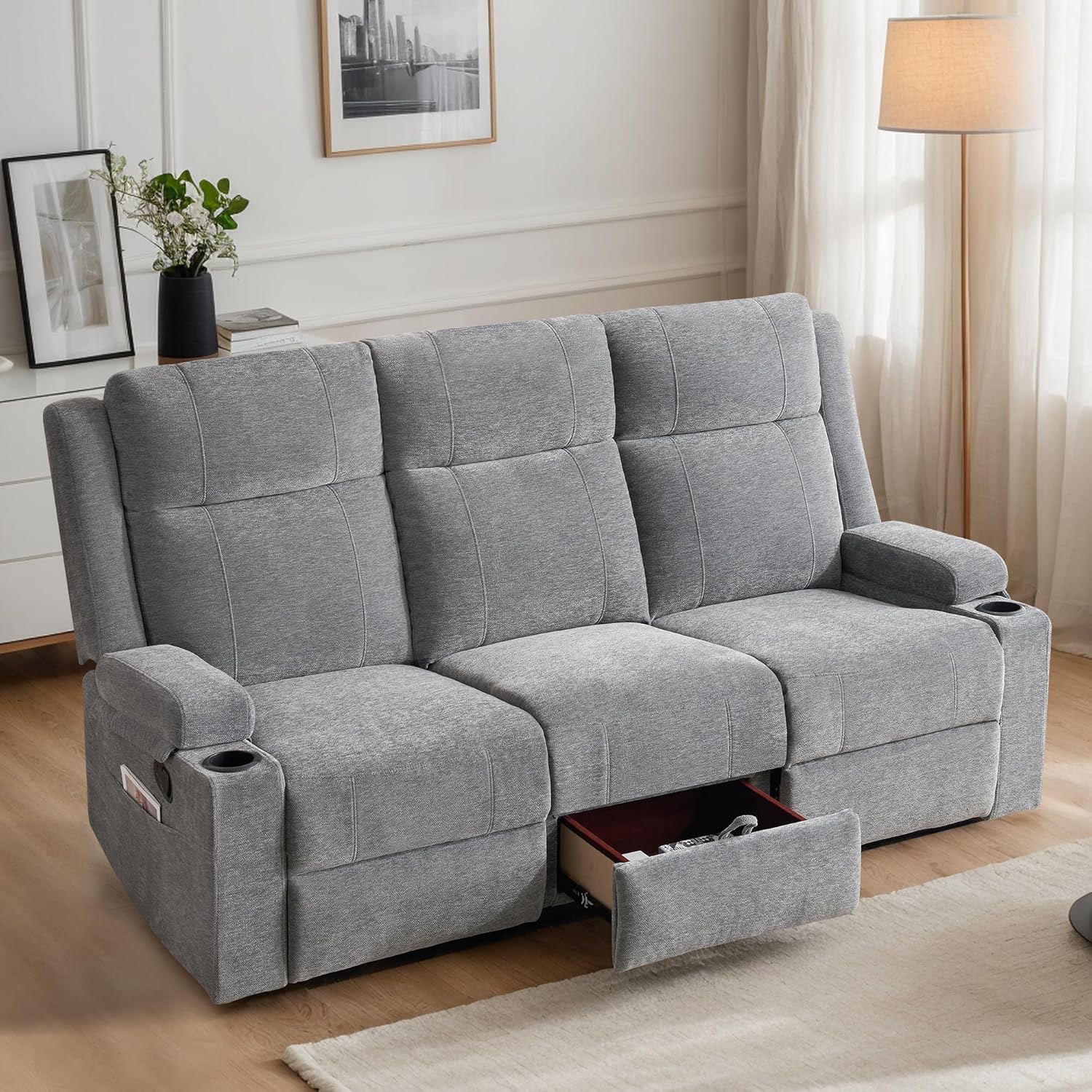
This sofa is moderately suitable for shorter users mainly because of its manageable seat depth (29 inches) and relatively structured cushioning. While it is not specifically designed as a petite-fit recliner, the wall-hugger mechanism and firmer seating surface help reduce excessive sinking, which often causes posture issues in deeper sofas. The split reclining design also allows more control over positioning, which can help shorter users find a more supported angle instead of a fully stretched recline.
Key dimensions
Seat height: 19.7 inches
Seat depth: 29 inches
Overall size: 75 inches wide x 29 inches deep x 41.3 inches high
Reclined length: approximately 66.5 inches
Pros (specific to shorter height)
• Seat height sits in a mid range, making it easier to get in and out compared to lower loungers
• Wall hugger design reduces spatial pressure, helping maintain a more upright ergonomic sitting position
• Firm support reduces sinking, which helps shorter users maintain lumbar alignment
• Independent reclining seats allow posture adjustment per user rather than a fixed shared angle
• Useful storage and arm support reduce unnecessary reaching, improving seated comfort
Cons (honest trade-offs)
• Seat depth is still on the deeper side for very short users under 5 feet, which may cause slight forward sliding
• Manual reclining mechanism requires physical effort and may feel less smooth than power recliners
• Fixed proportions cannot fully adapt to different torso lengths or head positioning
• Center seat is fixed, limiting individual customization in a three-person setup
Best for
• Small apartments and RV living where space efficiency matters
• Users around 5’0” to 5’6” who prefer firmer structured seating
• Buyers who want storage and utility features built into a recliner sofa
• Budget conscious households looking for a functional multi-seat recliner rather than a premium ergonomic fit
3. GNMLP2020 Manual Recliner Sofa (3 Seater)
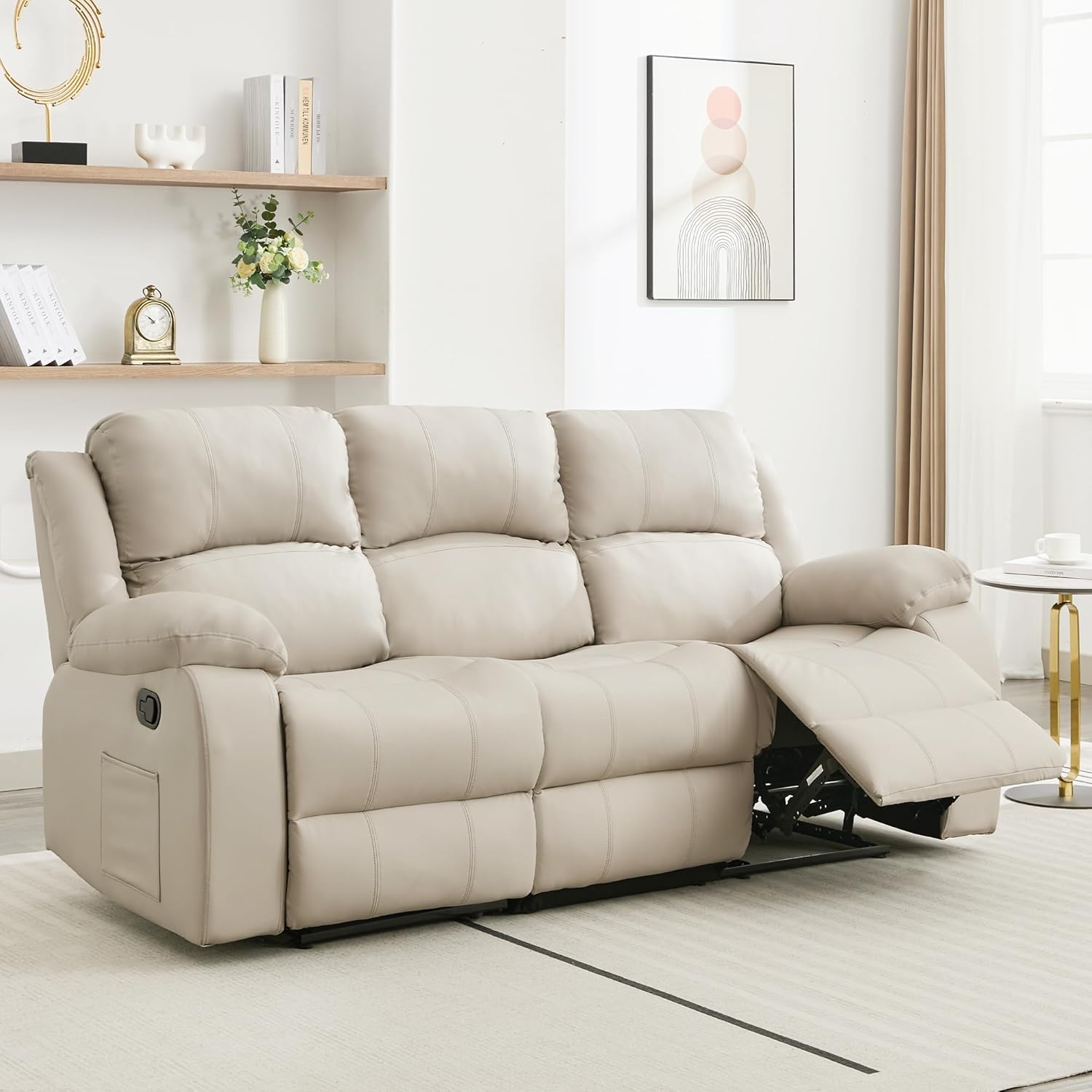
This sofa works well for shorter users mainly because of its compact seat depth (20.47 inches) and structured cushioning that prevents excessive sinking. The relatively shallow seating helps reduce forward slouching, which is a common issue for shorter people on deeper sofas. The split back design also allows more control over reclining angle, so users can adjust posture instead of being forced into a stretched position that misaligns the neck or lower back.
Key dimensions
Seat height: 20.87 inches
Seat depth: 20.47 inches
Overall dimensions: 72.92 inches wide x 36.61 inches deep x 39.37 inches high
Pros
• Shallow seat depth helps shorter users maintain proper back contact without sliding forward
• Moderate seat height makes sitting and standing easier compared to low lounge sofas
• Wall hugger design reduces space constraints, allowing better placement in small rooms
• Split reclining seats allow posture adjustment per user instead of one fixed angle
• Firm foam support improves alignment for users who struggle with overly soft cushions
Cons
• Seat height may still feel slightly tall for users under 5 feet, causing partial foot lift
• Manual recline mechanism requires effort and lacks precision adjustment
• Armrest and backrest proportions are not specifically tailored for petite body frames
• Center seat rigidity reduces flexibility in three-person use
Best for
• Short to average height users (around 5’0”–5’6”)
• Small living rooms apartments and RV setups
• Buyers who prefer firm structured seating over deep plush comfort
• Budget focused users who want a full 3 seater recliner without premium pricing constraints
4. GNMLP2020 3 Seater Recliner Sofa Set (Anti Scratch Leather)

This sofa is reasonably suitable for shorter users because it uses a compact ergonomic frame with a relatively controlled seat depth of about 20.87 inches, which helps reduce the forward sliding effect that often happens in deeper recliners. The structured foam cushioning prevents excessive sinking, allowing shorter users to maintain better lower back contact. The split back reclining system also helps adjust posture more precisely, which is important when standard headrest alignment does not naturally match petite proportions.
Key dimensions
Seat height: 19.88 inches
Seat depth: 20.87 inches
Overall size: 37 inches deep x 32.5 inches wide x 40 inches high per section
Pros
• Seat depth is compact enough to reduce slouching for shorter users
• Moderate seat height supports easier standing and sitting transitions
• Split reclining mechanism allows independent posture adjustment per seat
• Wall hugger design helps maintain ergonomic positioning in small rooms
• Firm cushioning improves lumbar support instead of sinking too deeply
Cons
• Seat height may still feel slightly tall for users under 5 feet
• Manual recline system lacks fine positioning control compared to power recliners
• Armrest and headrest proportions are not specifically tailored for petite body frames
• Three seater configuration limits personalized ergonomic adjustment per seat
Best for
• Short to average height users who prefer structured support over deep softness
• Small apartments RVs and compact living rooms
• Budget conscious buyers needing a full 3 seater recliner setup
• Users who want space saving design with basic ergonomic improvements
5. MCombo 87.8″ Wall Hugger Power Reclining Sofa (PR635M3)

This sofa is moderately suitable for short users mainly because of its controlled seat depth (22 inches) and structured wall-hugger design that encourages a more upright sitting posture. While it is not specifically engineered as a petite recliner, the firmer seat and power-adjustable recline help users fine-tune positioning, which is especially helpful when standard recliners feel too deep or overly relaxed for shorter legs and torsos.
Key dimensions
Seat height: 19.3 inches
Seat depth: 22 inches
Overall size: 87.8 inches wide x 37.8 inches deep x 41.3 inches high
Reclined length: 66.1 inch
Pros
• Seat height around 19 inches supports easier sitting and standing for many shorter users
• Power reclining allows precise adjustment, reducing awkward full-body stretching
• Moderate seat depth helps limit excessive forward sliding compared to deeper sofas
• Wall-hugger design improves space efficiency, helping maintain better seating posture in tight rooms
• Adjustable recline angle lets users find a more supported neck and back position
Cons
• Still slightly large in overall scale, which may feel wide for very petite users under 5 feet
• Armrest and headrest positions are not specifically tailored for short torsos
• Fixed seat structure limits customization per user within the 3-seater layout
• Weight capacity per seat is lower than heavy-duty manual recliners, which may affect long term durability expectations for some users
Best for
• Short to average height users who want adjustable comfort rather than fixed seating
• Modern living rooms apartments and shared family spaces
• Users who prefer power reclining features and tech add-ons like USB ports and drop-down table
• Buyers who want a space saving premium-style recliner with more control over positioning
How to Test a Recliner for Your Height Before Buying
The most reliable way to choose a reclining sofa for short people is to test physical fit in real seating conditions. Product descriptions often omit critical proportional details. Simple body-based checks can quickly reveal whether a recliner supports proper posture or creates long-term discomfort.
1. Feet Flat Test
Purpose: Verify correct seat height
- Sit fully back against the backrest
- Place both feet on the floor
Correct fit:
- Feet rest flat without effort
- Thighs remain level and supported
Poor fit indicators:
- Feet dangle or barely touch the floor
- Pressure builds under the thighs
Seat height is too high or improperly scaled.
2. Knee Bend Angle (90-Degree Rule)
Purpose: Check seat height and depth alignment
- Observe the angle at your knees while seated
Correct fit:
- Knees bend at approximately 90 degrees
- Lower legs remain vertical and relaxed
Poor fit indicators:
- Knees lift upward (seat too low or too deep)
- Legs stretch forward excessively (seat too high or too shallow)
Mismatch between seat dimensions and leg length.
3. Lumbar Contact
Definition: Lumbar support refers to support for the lower back (spine curve above the hips).
Purpose: Ensure proper back support
- Sit with your back fully against the backrest
Correct fit:
- Lower back makes full contact with the cushion
- Spine feels naturally supported
Poor fit indicators:
- Noticeable gap behind the lower back
- Need to scoot forward or slouch
Seat depth is too long for your torso.
4. Headrest Alignment
Purpose: Check neck and head positioning
- Sit upright with your back fully supported
Correct fit:
- Head rests comfortably in a neutral position
- Neck remains relaxed without effort
Poor fit indicators:
- Head is pushed forward
- Headrest sits too high to provide support
- Neck strain develops quickly
Backrest or headrest height is misaligned with your torso.
5. Recline Transition Comfort
Definition: Recline transition is the movement from upright to reclined position.
Purpose: Evaluate motion and body support during adjustment
- Slowly recline and return to upright
Correct fit:
- Movement feels smooth and controlled
- Body remains supported throughout
Poor fit indicators:
- Sudden shifts or jerky motion
- Body slides or loses contact with backrest
- Need to reposition repeatedly
Reclining mechanism is not well balanced for your body.
Power vs Manual Recliners: Which Is Better for Short People?
The key difference between power and manual recliners is level of control over positioning.
Short people often need precise adjustments to achieve:
- Flat foot support
- Proper lumbar (lower back) contact
- Neutral neck alignment
The recliner type determines how easily these conditions can be met.
1. Power Recliners
Definition: Power recliners use an electric motor to adjust the backrest and footrest, often with independent controls.
Why they work well for short people
Power recliners allow incremental (small-step) adjustments, which helps match the chair to shorter body proportions.
Key advantages
- Fine-tuned positioning of backrest and footrest
- Easier alignment of knees, hips, and spine
- Reduced effort—no pushing or pulling required
- Often include adjustable headrest and lumbar support
Fit benefit:
Short users can adjust the recliner until:
- Feet are fully supported
- Knees bend naturally
- Neck stays in a neutral position
Limitations
- Higher cost than manual models
- Requires electrical power
- More mechanical components may increase maintenance needs
2. Manual Recliners
Definition: Manual recliners use a lever or body weight to move between preset reclining positions.
How they perform for short people
Manual recliners provide fixed positions, which limits the ability to fine-tune fit.
Key advantages
- Lower cost
- Lighter and easier to move
- Simpler construction with fewer parts
Fit limitations
- Harder to match exact body proportions
- Footrest and backrest move in set ranges only
- May require more physical effort to operate
Common issues for short users
- Footrest may extend too far
- Backrest may recline too quickly or too far
- Head and neck alignment may remain off
Direct Comparison
| Feature | Power Recliners | Manual Recliners |
| Adjustment Type | Incremental (precise) | Fixed positions |
| Ease of Use | Button-controlled | Requires physical effort |
| Fit for Short Users | Highly adaptable | Depends on exact sizing |
| Posture Control | Strong (custom alignment) | Limited |
| Cost | Higher | Lower |
| Maintenance | Moderate (mechanical parts) | Low |
Power recliners are generally the better option when comfort, posture, and precise fit are priorities. Their adjustable controls help compensate for standard furniture dimensions that do not match shorter body types.
Manual recliners can still work if:
- Seat height and depth already match your body
- You do not need fine adjustments
However, they offer less flexibility if the initial fit is not ideal.
Before You Buy
The Short Person’s Sofa Fit Guide
A printable height-to-dimensions chart, self-measuring steps, and a shopping checklist — know your exact numbers before you shop.
Get the Guide — $9 →Best Brands for Petite-Friendly Reclining Sofas
Finding a reclining sofa for short people is not just about individual models, it also depends heavily on the brand philosophy behind sizing, ergonomics, and adjustability. The best brands tend to focus on compact proportions, ergonomic support, and customization options that help smaller users achieve better posture alignment instead of forcing a one-size-fits-all fit.
1. La Z Boy
La Z Boy is one of the most recognized names for ergonomic recliners and is often recommended for users who need better body-specific support. Many of their recliners come in different sizes including petite-friendly versions, with adjustable lumbar and head support. This makes them especially useful for short users who struggle with standard fixed backrests and deep seat designs.
2. IKEA
IKEA is widely known for designing furniture with small apartments and compact living spaces in mind. Their recliners and sofa chairs tend to have simpler proportions and more minimal depth compared to oversized luxury sofas. While not always highly adjustable, IKEA pieces are often better scaled for shorter users and tighter spaces.
3. The Sleep Company
The Sleep Company focuses heavily on ergonomic innovation and pressure distribution. Their recliners are designed with posture support in mind, often using advanced cushioning systems that help maintain spinal alignment. This can benefit shorter users by reducing pressure points that occur when seat depth or height does not perfectly match the body.
4. La Z Boy India / Durian Style Ergonomic Brands
Durian Furniture and similar premium Indian furniture brands focus on durability and structured ergonomic support. These brands often offer power recliners and more customizable seating angles, which can help shorter users adjust positioning for better foot and back alignment.
5. Furny / Royaloak
Royaloak and budget-friendly brands like Furny prioritize affordability and compact urban designs. Their recliners are often more space-conscious than premium oversized models, making them a practical choice for shorter users in apartments or smaller living rooms, even if they lack advanced adjustability features.
Across all brands, the key advantage for short users comes from three things: compact seat depth, adjustable reclining positions, and ergonomic back support systems. Brands that prioritize these features tend to perform better than those focused only on luxury aesthetics or oversized comfort.
Tips to Make a Recliner Fit Better If You Already Own One
If a reclining sofa does not perfectly fit a shorter body, you can modify support points to improve alignment.
The goal is to:
- Maintain full back contact
- Keep feet supported
- Align the neck and spine in a neutral position
Small, targeted adjustments can correct most common fit problems.
Add Lumbar Cushions
Placing a lumbar cushion at the lower back helps fill the gap between your spine and the backrest. This is especially useful if the recliner feels too deep or if you tend to slouch forward. A properly positioned cushion encourages a more natural upright posture and reduces lower back pressure.
Use Footrests or Ottomans
If your feet do not touch the floor comfortably or feel unsupported when reclining adding a separate footrest or ottoman can help. This reduces pressure on the thighs and improves circulation. It also helps shorter users maintain a more relaxed knee angle instead of letting legs hang awkwardly.
Adjust Seat Depth with Pillows
When a recliner seat is too deep placing a firm pillow behind your back can reduce the effective seating depth. This brings your body closer to the backrest and prevents sliding forward. It is a simple but effective way to improve posture without replacing the sofa.
Add Headrest Support
If the headrest is too high or poorly aligned a small neck pillow can help bridge the gap. This prevents your head from tilting forward or backward unnaturally and reduces neck strain during long sitting sessions or TV watching.
Fine Tune Positioning Regularly
Comfort adjustments may need slight changes over time as cushions settle. Regularly repositioning pillows and supports ensures that your recliner continues to match your body as you use it in different positions such as reading lounging or fully reclining.
Common Mistakes to Avoid When Choosing a Reclining Sofa for Short People
A reclining sofa must match body proportions, not just visual preferences or overall size.
Most buying mistakes happen when fit and ergonomics are overlooked, leading to poor posture and long-term discomfort.
1. Choosing Based on Looks Only
Problem: Prioritizing style over function
- A recliner may appear modern or premium but still lack proper support
- Visual appeal does not indicate correct seat height, depth, or alignment
Impact:
- Poor posture support
- Increased strain on the back and neck
Correction:
Evaluate fit first, then consider design and aesthetics.
2. Ignoring Seat Depth
Definition: Seat depth is the distance from the front edge of the seat to the backrest.
Problem: Selecting a seat that is too deep
- Forces the body to slide forward
- Prevents full back contact
Impact:
- Slouching posture
- Reduced lumbar (lower back) support
Correction:
Choose a shallower seat depth that allows your back to fully touch the backrest.
3. Not Checking Full Recline Position
Problem: Testing only the upright sitting position
- Recliners change shape when fully extended
- Footrest and backrest movement can alter body alignment
Impact:
- Hips, legs, and neck may become misaligned
- Comfort in upright position does not guarantee comfort when reclining
Correction:
Always test or evaluate the full recline position, not just the seated state.
4. Assuming Small Sofa Means Short-Person Friendly
Problem: Equating smaller size with better fit
- Compact sofas can still have standard (too large) seat depth or back height
- Overall size does not reflect proportional design
Impact:
- Poor alignment despite smaller footprint
- Continued discomfort for shorter users
Correction:
Focus on proportional measurements (seat height, depth, backrest position), not just sofa size.
5. Overlooking Adjustability Options
Problem: Ignoring features that improve fit
- Fixed-position recliners limit alignment options
- Lack of adjustability makes it harder to correct mismatches
Impact:
- Difficulty achieving proper neck, back, and leg support
- Reduced long-term comfort
Correction:
Prioritize recliners with:
- Adjustable headrests
- Lumbar support
- Power reclining controls
Final Thoughts
Choosing the right reclining sofa for short people ultimately comes down to fit rather than style or size alone. Even well designed sofas can feel uncomfortable if seat depth, seat height, and back support do not match your body proportions. Small differences in these measurements can decide whether you feel properly supported or constantly adjust your position.
Across all the options and features discussed, the most important factor is alignment. A recliner that supports your feet, keeps your lower back in contact with the backrest, and positions your neck naturally will always outperform a larger or more expensive model that does not fit your frame.
Using the right measurements, understanding recliner types, and testing key comfort points before buying can save you from long term discomfort. With a careful approach, it is possible to find a recliner that feels made for you rather than adapted to you, making everyday relaxation truly comfortable.
FAQs (Frequently Asked Questions)
What seat height is best for short people?
A lower seat height is best, typically 16–19 inches, depending on height. The key requirement is that your feet rest flat on the floor with knees bent at about 90 degrees.
What seat depth should short users choose?
Short users generally need a shallow seat depth (18–21 inches). This ensures the back fully contacts the backrest without forcing the body to slide forward.
Are power recliners better than manual recliners for short people?
Yes, in most cases. Power recliners allow precise adjustments, making it easier to align feet, knees, and head correctly. Manual recliners only offer fixed positions.
Can a small recliner still be uncomfortable for short people?
Yes. A smaller sofa can still have incorrect proportions, especially seat depth or backrest height. Size alone does not guarantee proper ergonomic fit.
What is the most important factor for recliner comfort?
The most important factor is body alignment, especially:
- Feet flat on the floor
- Full back contact
- Neutral neck position
How do I know if a recliner fits before buying?
Use simple tests:
- Feet Flat Test
- 90-Degree Knee Bend Test
- Lumbar Contact Check
- Full Recline Test
Are adjustable headrests necessary?
They are not mandatory, but highly recommended. Adjustable headrests help prevent neck strain, especially for shorter users whose shoulder and neck height may not match standard designs.
What type of recliner is best for small apartments?
Compact recliners and wall hugger recliners are best because they save space while still offering proper support.