If you’re like most apartment dwellers, your balcony is either ignored or quietly collecting clutter. It’s easy to overlook a small outdoor space when it feels too tight, awkward, or exposed to the elements.
But here’s the shift that changes everything: a small balcony isn’t a limitation it’s an opportunity.
With the right design approach, even the tiniest balcony can become a comfortable, stylish, and highly functional extension of your home. You don’t need a big budget or a complete makeover. Just a few smart choices can transform the space into something you actually use and enjoy every day.
Done right, your balcony can:
- Feel bigger than it is
- Work for multiple purposes
- Look clean, modern, and inviting
This guide will show you exactly how to make that happen.
Why Small Balconies Are Full of Untapped Potential
It’s easy to underestimate a small balcony.
After all, when space is tight, it can feel like your options are limited. But that mindset is exactly what holds most people back. In reality, small doesn’t mean restrictive it means efficient.
A well-designed small balcony often ends up being more functional and inviting than a large, poorly planned one.
Small Space, Big Opportunity
Think about it: when space is limited, every item you add has a purpose. There’s no room for clutter or wasted design. This naturally leads to a more intentional, thoughtful setup.
That’s why many modern apartment balcony ideas focus on simplicity, multi-functionality, and comfort. Instead of overcrowding the area, the goal is to create a space that feels open, breathable, and useful.
Even a 3–5 foot balcony can become:
- A peaceful morning coffee spot
- A mini outdoor workspace
- A compact garden oasis
- A relaxing evening retreat
The key is learning how to work with the space not against it.
The Rise of Urban Balcony Living
As cities grow and living spaces shrink, balconies are becoming more valuable than ever. In dense environments, your balcony might be the only private outdoor space you have.
This is why urban balcony design has evolved so rapidly in recent years.
Today’s trends focus on:
- Vertical solutions instead of horizontal expansion
- Foldable and modular furniture
- Natural elements like plants and wood textures
- Soft lighting for ambiance
These strategies aren’t just about aesthetics. They’re about making small spaces feel livable and enjoyable.
In fact, a thoughtfully designed balcony can significantly improve your daily quality of life, giving you a place to unwind without leaving your home.
Turning a Balcony Into a Functional Living Space
One of the biggest shifts in modern home design is the idea of extending your living area beyond your walls. Your balcony isn’t just an “extra” it’s part of your home.
With the right setup, it can function as a true small outdoor living space.
Imagine stepping outside to:
- Sip coffee in a cozy chair surrounded by plants
- Read a book with soft lighting in the evening
- Enjoy fresh air without distractions
- Create a calming break from screens and indoor stress
This kind of transformation doesn’t require major renovations. It comes down to smart design choices that maximize comfort and usability.
Why Most Small Balconies Go to Waste
Despite their potential, many balconies remain underutilized. The reasons are surprisingly consistent:
- Lack of ideas or inspiration
- Fear of overcrowding the space
- Choosing the wrong furniture size
- Ignoring vertical space
- Not prioritizing comfort
The good news? Every one of these problems has a simple solution.
Once you understand the core principles of small-space design, it becomes much easier to create a balcony that feels both spacious and inviting.
The Real Advantage of a Small Balcony
Here’s something most people don’t realize small balconies are actually easier to design well than large ones.
Why?
Because:
- They require fewer elements
- They cost less to furnish and decorate
- They’re quicker to transform
- They encourage smarter, more intentional choices
Instead of overwhelming you with possibilities, a smaller space forces clarity. And that clarity leads to better results.
Key Principles for Designing a Small Balcony
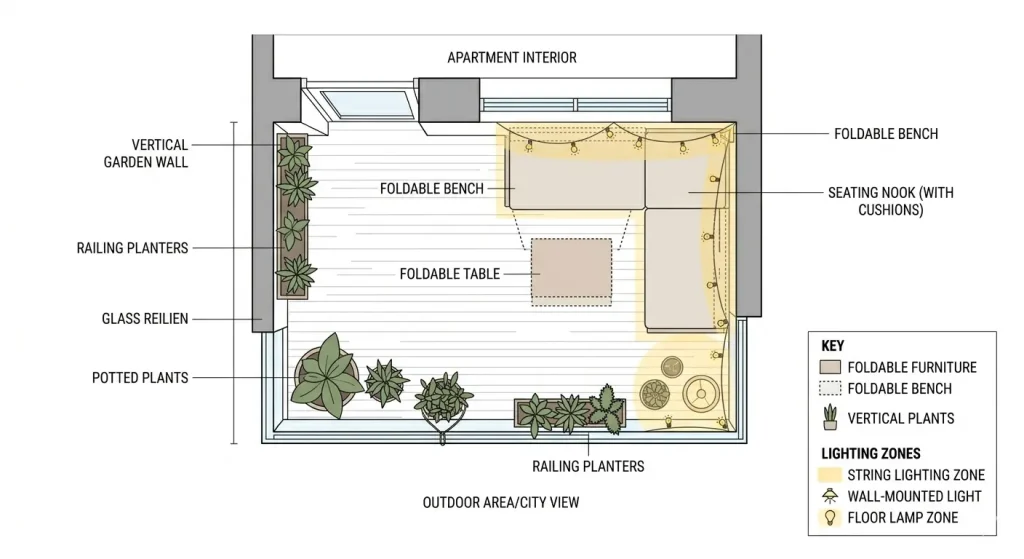
Creating a small balcony that feels open, stylish, and usable comes down to smart planning rather than size. The goal is to maximize every inch while maintaining comfort and visual appeal. A well-designed compact balcony blends functionality with simplicity, allowing it to serve as a relaxing escape, a mini garden, or even a cozy work corner.
Prioritize Space-Saving Furniture
When working with limited square footage, furniture selection becomes critical. Opt for pieces that can adapt to your needs without permanently occupying space. A foldable balcony table is an excellent choice because it can be tucked away when not in use, instantly freeing up room. Pair it with compact outdoor seating such as stackable chairs or slim-profile benches that don’t overwhelm the area. Lightweight, movable furniture also allows you to reconfigure the space depending on the occasion, whether you’re enjoying morning coffee or hosting a small gathering.
Think Vertical, Not Horizontal
Small balconies often suffer from a lack of floor space, but vertical space is frequently underused. Shifting your focus upward can dramatically increase functionality and aesthetics. A vertical garden balcony setup allows you to grow plants without sacrificing walking space. Hanging planters, wall-mounted pots, and railing planters introduce greenery while keeping the layout airy. This approach not only enhances visual depth but also creates a refreshing, nature-inspired environment even in tight urban settings.
Keep It Minimal but Functional
Clutter is the fastest way to make a small balcony feel even smaller. A minimalist balcony design focuses on essentials while eliminating unnecessary elements. Stick to a few purposeful items that serve both form and function, such as storage benches or multi-use decor. A clutter-free layout improves movement, enhances relaxation, and makes the space feel more open. Neutral tones, clean lines, and intentional placement help create a calm and inviting atmosphere without overwhelming the senses.
10 Small Balcony Ideas That Maximize Space and Comfort
Transforming a compact balcony doesn’t require a complete overhaul. It’s about making smart intentional choices. The following ideas are designed to help you create a space that feels open functional and inviting no matter how limited your square footage may be.
Each idea combines practicality with style ensuring your balcony becomes a place you genuinely enjoy spending time in.
1. Use Foldable Furniture for Flexibility
When space is tight, flexibility becomes your biggest advantage. Foldable furniture allows you to adapt your balcony layout instantly, depending on your needs.
A foldable table can serve as a coffee spot in the morning and be tucked away later to create more room. Similarly, foldable chairs can be stored easily when not in use, preventing clutter.
This type of space-saving balcony furniture is ideal because it gives you functionality without permanently occupying valuable space.
Why it works:
- Maximizes usable floor area
- Easy to store and rearrange
- Perfect for multi-purpose use
Pro tip: Look for slim, wall-mounted foldable tables that disappear completely when folded.
2. Create a Cozy Seating Nook
Even the smallest balcony can feel like a retreat if you focus on comfort.
Start with a compact seating option like a small bench, a low-profile chair or even floor cushions. Then layer in soft elements like cushions, throws and textured fabrics to instantly elevate the space.
This approach is the foundation of cozy balcony decor turning a basic area into a warm and inviting corner.
Why it works:
- Adds comfort without needing much space
- Creates a defined purpose for the balcony
- Encourages daily use
Pro tip: Stick to 2–3 complementary colors to keep the space visually calm and cohesive.
3. Add a Vertical Garden
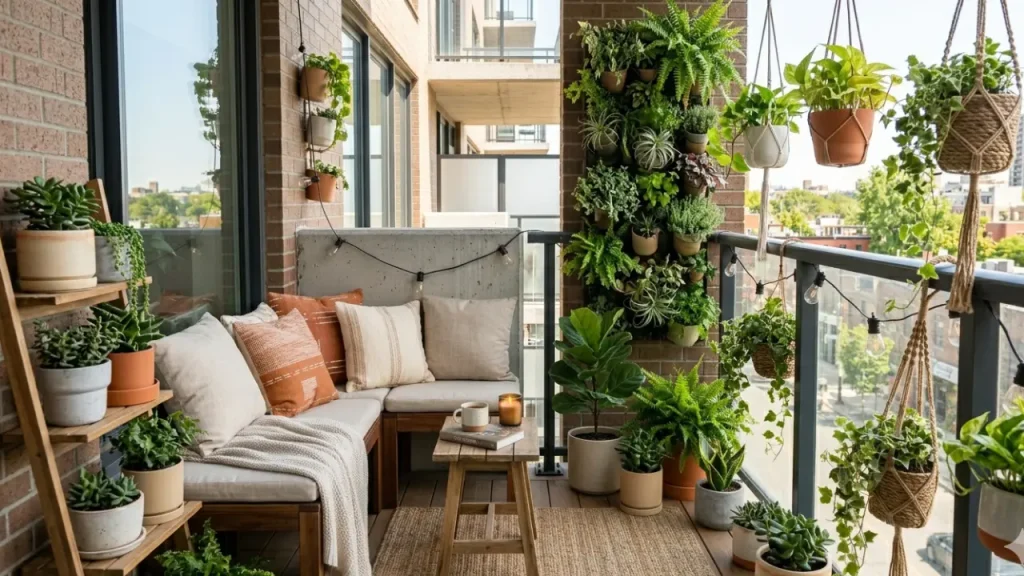
When floor space is limited go vertical.
A vertical garden balcony setup allows you to introduce greenery without sacrificing room for seating or movement. Use wall-mounted planters, hanging pots, or tiered plant stands to build your garden upward.
You can grow herbs, flowers, or even small vegetables, making your balcony both beautiful and functional.
These balcony garden ideas not only enhance aesthetics but also improve air quality and create a calming atmosphere.
Why it works:
- Saves floor space
- Adds natural beauty
- Makes the balcony feel fresh and lively
Pro tip: Choose low-maintenance plants if you’re new to gardening.
4. Install Smart Lighting for Ambiance
Lighting can completely transform how your balcony feels especially in the evening.
Soft lighting options like string lights, lanterns, or solar-powered fixtures create a warm and relaxing environment. Instead of harsh overhead lights, go for subtle illumination that enhances mood.
Well-planned balcony lighting ideas can make your space usable long after sunset.
Why it works:
- Creates a cozy atmosphere
- Extends usability into the evening
- Enhances overall design
Pro tip: Solar lights are perfect for balconies since they don’t require wiring and save energy.
5. Use Multi-Functional Furniture
In small spaces, every item should serve more than one purpose.
Multi-functional pieces like storage benches or nesting tables help you reduce clutter while increasing usability. A bench with hidden storage can hold cushions, tools, or accessories, keeping your balcony tidy.
This type of compact outdoor furniture is essential for maximizing efficiency without compromising comfort.
Why it works:
- Combines storage and seating
- Reduces the need for extra furniture
- Keeps the space organized
Pro tip: Opt for lightweight pieces that are easy to move when needed.
6. Add Privacy Without Blocking Light
Privacy is important but in a small balcony, blocking light can make the space feel even smaller.
Instead of solid barriers, use bamboo screens, sheer curtains, or tall plants to create separation while still allowing light and airflow.
These balcony privacy ideas help you feel more comfortable without sacrificing openness.
Why it works:
- Maintains brightness
- Enhances comfort and security
- Adds a decorative element
Pro tip: Use climbing plants on trellises for a natural privacy screen.
7. Go Minimalist for a Clean Look
Less really is more when it comes to small balconies.
A minimalist balcony design focuses on keeping only essential items while maintaining a clean, uncluttered appearance. Stick to neutral colors, simple furniture, and a limited number of accessories.
This approach makes your balcony feel larger, calmer, and more organized.
Why it works:
- Reduces visual clutter
- Enhances sense of space
- Easy to maintain
Pro tip: Choose quality over quantity. Invest in a few well-designed pieces instead of many small ones.
8. Try a Boho or Themed Setup
If you want your balcony to stand out, consider creating a themed design.
A boho balcony setup is especially popular for small spaces. It uses layered textures, patterned rugs, soft cushions, and natural materials to create a relaxed and artistic vibe.
You can also explore other themes like modern, tropical, or rustic depending on your personal style.
Why it works:
- Adds personality to the space
- Creates a cohesive design
- Makes the balcony feel unique
Pro tip: Don’t overdo it. Keep the theme balanced to avoid overcrowding.
9. Upgrade the Flooring
Flooring is often overlooked, but it has a huge impact on how your balcony looks and feels.
Simple additions like outdoor rugs or deck tiles can instantly upgrade the space. They add texture, warmth, and visual interest while making the area more comfortable underfoot.
These balcony flooring ideas are especially effective in making the space feel more like an extension of your home.
Why it works:
- Enhances visual appeal
- Defines the space
- Improves comfort
Pro tip: Choose weather-resistant materials for durability.
10. Design a Relaxation Corner
Ultimately, your balcony should be a place where you can unwind.
Create a dedicated small outdoor relaxation space by setting up a reading nook, coffee corner, or meditation spot. A comfortable chair, a small table, and a few personal touches are all you need.
If space allows, consider adding a hanging or hammock chair for an extra level of comfort.
Why it works:
- Gives the balcony a clear purpose
- Encourages regular use
- Promotes relaxation and well-being
Pro tip: Keep this area clutter-free to maintain a peaceful atmosphere.
Budget-Friendly Small Balcony Ideas
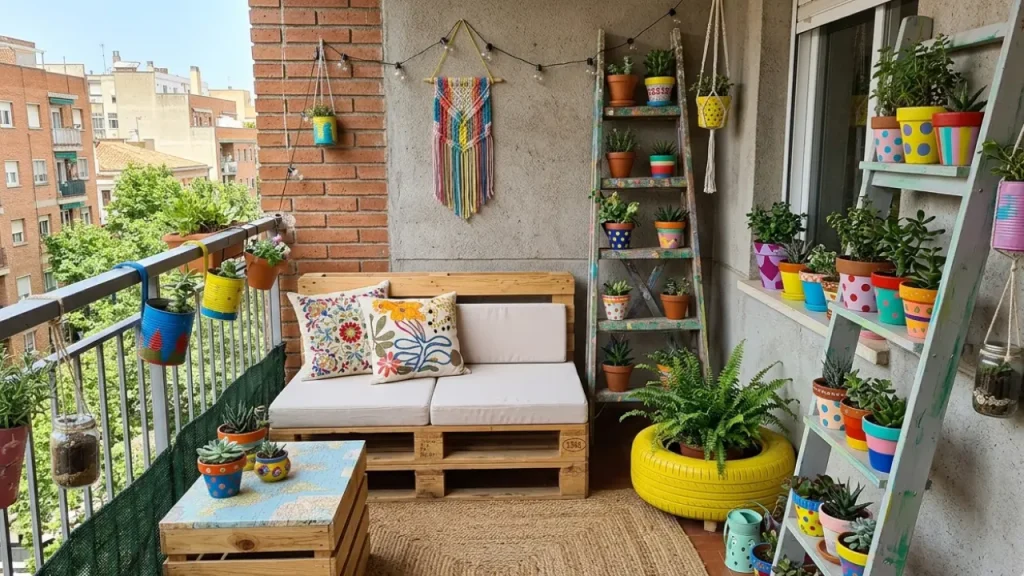
Transforming your balcony doesn’t have to break the bank. In fact, some of the most creative small balcony ideas come from budget-conscious thinking. With a little ingenuity, you can design a space that feels cozy, stylish, and functional without spending a fortune.
DIY Decor Tips
DIY projects are a perfect way to personalize your balcony while keeping costs low. Simple projects like painting old pots, creating rope planters, or building small shelves from reclaimed wood can completely elevate the look of your outdoor space.
You don’t need to be a professional to make an impact small touches like handmade cushions, painted lanterns, or stenciled floor mats add character and charm. This approach falls under classic DIY small balcony makeover strategies: the goal is creativity over cost.
Why it works:
- Adds personality and style
- Keeps expenses minimal
- Allows you to repurpose materials around your home
Pro tip: Start with one DIY element, like a small planter setup or a balcony rug, and gradually build your style.
Repurposed Furniture
Repurposing old furniture is another smart way to enhance a balcony on a budget. For instance, an unused wooden crate can become a planter, a low bench, or even a storage unit. Pallets can be turned into seating or tables.
Not only does this save money, but it also contributes to a sustainable balcony design. Combining functionality with creativity is key when working with small spaces.
Why it works:
- Affordable and sustainable
- Encourages creativity
- Customizable to your balcony’s layout
Pro tip: Sand and paint older pieces to give them a fresh, modern look that matches your overall design.
Affordable Plants
Greenery doesn’t need to be expensive to make a balcony feel vibrant. Choose low-maintenance, affordable plants such as herbs, succulents, or small flowering plants. These can be arranged in small pots, vertical planters, or hanging baskets.
Plants not only enhance aesthetics but also create a natural, relaxing environment. When done thoughtfully, a budget-friendly plant setup can make your balcony feel like a miniature oasis.
Why it works:
- Adds life and color to the space
- Encourages relaxation and outdoor enjoyment
- Can fit any size balcony
Pro tip: Start with 2–3 plants and gradually expand your collection as your style evolves.
How to Make a Small Balcony Look Bigger
A common challenge for small balconies is the feeling of cramped space. Fortunately, several design strategies can make even the tiniest balcony appear larger, brighter, and more open.
Use Mirrors
Mirrors are a simple but powerful trick for creating the illusion of more space. Placing a mirror on one wall reflects light and visually doubles the depth of the balcony.
Why it works:
- Makes the balcony feel larger and brighter
- Adds a decorative element
- Can complement any design style
Pro tip: Choose mirrors that are weather-resistant or place them against a covered wall to protect from rain and sun.
Light Color Palettes
Color has a huge impact on perception. Using light, neutral shades for furniture, walls, and flooring can make a balcony feel airy and spacious. Soft whites, beiges, pastels, and muted greens work particularly well.
Why it works:
- Visually expands the area
- Enhances natural light
- Creates a calm and inviting environment
Pro tip: Combine light colors with one or two subtle accent tones to avoid a flat appearance.
Decluttering Tips
Clutter is the quickest way to make a small balcony feel crowded. Keep surfaces clear and only include essential furniture and decorative pieces.
Use multi-functional storage options, like benches with hidden compartments or vertical shelving, to maintain organization without sacrificing style.
Why it works:
- Frees up space for movement
- Creates a clean and open look
- Highlights the design elements you want to feature
Pro tip: Regularly evaluate items on your balcony and remove anything that doesn’t serve a purpose.
Vertical Design Tricks
When floor space is limited, think vertically. Hang plants, shelves, or lighting to draw the eye upward. Vertical strategies free up floor space and create a dynamic, layered aesthetic.
Why it works:
- Maximizes usable area
- Adds depth and interest
- Works especially well for narrow balconies
Pro tip: Use lightweight materials and secure installations to ensure safety, especially for hanging elements.
These budget-conscious strategies not only save money but also enhance the perceived size and comfort of your balcony. By combining light colors, vertical design, and smart storage, even the tiniest balcony can feel expansive and inviting.
Best Plants for Small Balconies (Beginner-Friendly)
Adding greenery is one of the easiest ways to make a small balcony feel alive, cozy, and inviting. Even if you don’t have a green thumb, there are plenty of low-maintenance plants and simple strategies that can help you build a thriving balcony garden.
Low-Maintenance Plants
For beginners, choosing plants that are hardy and easy to care for is key. Some excellent options include:
- Succulents – Require minimal watering and thrive in small pots.
- Herbs – Basil, mint, and rosemary are compact and functional for cooking.
- Spider plants – Tolerant of varying light conditions and grow well in hanging baskets.
- Pothos or philodendrons – Fast-growing, forgiving, and perfect for vertical setups.
These plants are ideal for balcony plant ideas that don’t demand constant attention. Even a few pots can transform your balcony into a small balcony garden full of life and color.
Why it works:
- Reduces maintenance stress
- Adds visual interest and greenery
- Improves air quality and ambiance
Pro tip: Rotate your plants occasionally to ensure all sides receive sunlight and maintain even growth.
Vertical Gardening Ideas
When floor space is limited, vertical gardening is a game-changer. Wall-mounted planters, hanging pots, and tiered plant stands allow you to maximize green coverage without cluttering the floor.
Benefits of vertical gardening:
- Saves space while adding lush greenery
- Creates natural privacy screens
- Adds texture and dimension to your balcony design
For instance, a small balcony can feature a vertical herb garden along one wall, leaving floor space free for seating or a small table. This approach works for both ornamental plants and edible options, making your balcony practical and beautiful.
Pro tip: Use lightweight pots and secure fixtures to ensure safety, especially on higher floors.
Common Small Balcony Design Mistakes to Avoid
Even with the best intentions, small balconies can go from charming to cluttered quickly. Avoiding these common mistakes ensures your space remains functional and enjoyable.
Overcrowding
It’s tempting to fit in as much furniture, plants, and decor as possible but too many items make a balcony feel cramped. Focus on essential furniture and key decorative elements to maintain openness.
Why it’s a mistake:
- Restricts movement
- Overwhelms the eye
- Reduces usability
Pro tip: Prioritize multi-functional furniture and vertical storage to maximize both comfort and utility.
Ignoring Lighting
Poor lighting can make a small balcony feel dark and uninviting, especially during evenings. Skipping soft ambient or task lighting can turn your balcony into an underused space.
Why it’s a mistake:
- Limits usability at night
- Diminishes cozy atmosphere
- Hides the beauty of your design elements
Pro tip: Use string lights, solar lanterns, or LED strips to create a warm, inviting ambiance.
Poor Furniture Choices
Oversized or heavy furniture can dominate a small balcony, leaving little room for movement. Choosing the wrong materials or styles can also make the space feel cluttered or awkward.
Why it’s a mistake:
- Reduces functionality
- Compromises comfort
- Makes the balcony visually crowded
Pro tip: Opt for compact, lightweight, or foldable pieces that can be rearranged easily.
Blocking Airflow
Balconies are meant to be airy outdoor spaces. Filling the area with too many plants, large furniture, or solid partitions can block ventilation and make the balcony uncomfortable.
Why it’s a mistake:
- Makes the space feel stuffy
- Can harm plants that need airflow
- Reduces enjoyment of the balcony’s natural environment
Pro tip: Leave open space near the edges and balance tall elements with lower furniture for smooth airflow.
By avoiding these common mistakes and strategically choosing plants, furniture, and lighting, even the smallest balcony can become a functional, cozy, and visually appealing outdoor retreat.
Conclusion
Your balcony has untapped potential it’s more than just an outdoor ledge. With the right approach, even the smallest space can become a cozy, stylish and functional extension of your home. From foldable furniture and vertical gardens to smart lighting and budget-friendly DIY decor, the possibilities are endless.
The key takeaway is that small doesn’t mean limiting. By focusing on intentional design, maximizing vertical space, and choosing multi-functional or compact pieces, you can create a balcony that feels larger, brighter and more inviting than you ever imagined.
You don’t need to do everything at once. Start small. Pick 1–2 ideas that resonate with you like adding a cozy seating nook or a vertical garden and see how much of a difference they make. Once you experience the transformation, building out the rest of your balcony will feel effortless and fun.
Your balcony can be more than just a view it can be a retreat, a workspace, or a peaceful garden, all without sacrificing comfort or style.
Frequently Asked Questions
1. What are the best small balcony ideas for apartments
Focus on multi purpose furniture and vertical solutions. Foldable chairs, a railing bar table, and wall mounted planters maximize space. Use an outdoor rug to define zones. Layer soft textiles and subtle lighting to make the balcony feel welcoming. Curate rather than fill the space works best when every item earns its place.
2. How do I decorate a small balcony on a budget
Start with affordable items: string lights, small rugs, and potted herbs. Repurpose indoor furniture that can withstand outdoor use. Look for foldable or stackable pieces. Even under $50, you can create a functional and stylish balcony by focusing on essentials and layering textures.
3. What colors make a small balcony look bigger
Light, neutral colors expand visual space. Soft whites, pale grays, and beige tones reflect light and reduce visual clutter. Pair with a few accent colors through cushions or small plants to keep it lively without feeling crowded. Mirrors can also enhance the illusion of depth.
4. How can I make my balcony cozy in winter
Add weather resistant throws, outdoor cushions, and rugs that insulate. Consider foldable screens for wind protection. String lights and lanterns create warmth in low light. Seasonal plants like evergreen shrubs or hardy herbs add life without high maintenance.
5. What is the best layout for a narrow balcony
Line furniture along one side. Use foldable tables and chairs. Vertical plant walls or hanging planters keep the floor open. Leave at least 30 percent walking space to avoid a cramped feel. This maximizes usability and comfort.
6. Can I create a garden on a small balcony
Yes. Use vertical planters, railing boxes, and small pots. Focus on low maintenance plants like herbs, succulents, or trailing flowers. Group plants in clusters for impact, but avoid overdecorating, which can block light and reduce flow.
7. How do I protect balcony furniture from weather
Choose weather resistant materials like resin, metal, or treated wood. Use waterproof cushions and covers. Elevate items off the floor when possible to avoid water damage. Store extra pieces indoors or under covers during extreme weather.
8. What flooring is best for small balconies in rainy climates
Opt for slatted wooden tiles, outdoor decking, or weather resistant composite tiles. These allow drainage and prevent pooling. Avoid carpets that retain water. Slightly elevated planters or furniture with legs help maintain airflow and reduce mold risk.