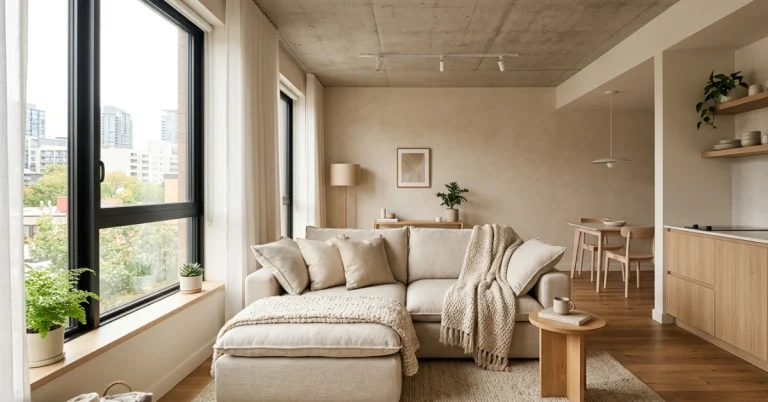
Loveseats can be comfortable if you choose the right design. Comfort depends on cushion quality, seat depth and how you use it daily. They work best in small spaces and for short to medium sitting. They are less ideal for long lounging or sleeping. Compared to sofas, they offer less space. Great for singles or couples. Not ideal for families or tall users.
Are Loveseats Comfortable?
Loveseats are comfortable for many everyday situations. They work well in small spaces and feel cozy for one or two people. They are a smart choice for casual seating like reading or watching TV. Comfort drops during long sitting sessions or full body lounging.
Best for:
- Small rooms and apartments
- Couples or single users
- Short to medium sitting
Less ideal for:
- Long naps
- Tall users
- Full stretch lounging
What Actually Determines Loveseat Comfort?
Loveseat comfort level depends on a few core factors. The right mix of cushion, depth, support, and material can turn a small seat into a very comfortable spot. The wrong mix can make it feel stiff or cramped. Focus on how you sit every day before choosing.
Cushion Quality (Foam vs Feather)
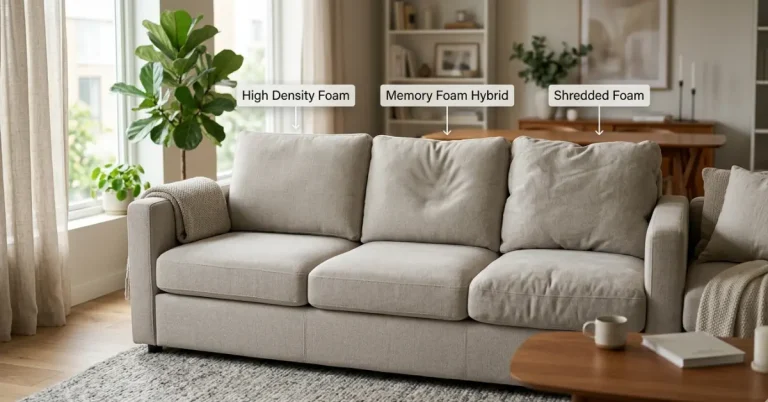
Cushions are the biggest factor in comfort. High density foam gives firm support and holds its shape for years. It is ideal for daily use and long sitting sessions. Soft fill like feather or down feels plush and cozy at first. But it can lose shape and need frequent fluffing.
If you want long term durability, go with foam. If you prefer a soft sink in feel, choose feather blend cushions. Many modern loveseats combine both for balance. This gives support with a touch of softness.
Quick tip. Look for foam density around 1.8 or higher for better support and lifespan.
Seat Depth and Width
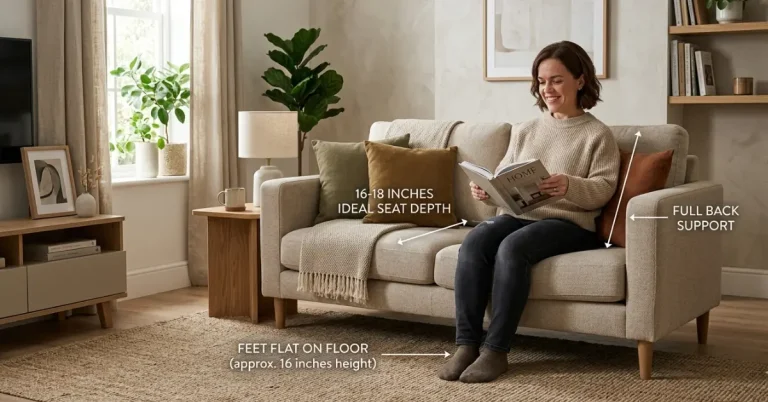
Seat depth controls how relaxed you feel. A deep seat loveseat allows you to lean back and stretch slightly. This improves comfort during reading or watching TV. Shallow seats keep you upright but can feel tight after a while.
Width also matters. Loveseats are built for two people, but space is limited. If you like extra room, check the inner seat width before buying.
Simple rule.
Deep seats are better for lounging.
Shallow seats are better for posture and short sitting.
Back Support and Ergonomics
Back support is often overlooked, but it is critical. A good ergonomic loveseat design supports your spine and keeps your posture natural. Without proper support, even soft cushions will feel uncomfortable over time.
Look for loveseats with built in lumbar support. This helps reduce pressure on your lower back. A slightly angled backrest also improves comfort during longer sessions.
If you plan to sit daily, choose a loveseat that keeps your back straight and supported. This makes a big difference in long term comfort.
Upholstery Material
Material affects both feel and temperature. Fabric loveseats are soft, breathable, and comfortable for long use. They stay neutral in temperature and feel cozy in most climates.
Leather loveseats look premium and are easy to clean. But they can feel hot in summer and cold in winter. This can reduce comfort if you sit for long periods.
If comfort is your top priority, fabric is usually the better choice. If style and easy maintenance matter more, leather can still work well.
Quick Comfort Checklist
Use this checklist before buying a loveseat:
- Choose high density foam for support
- Pick seat depth based on your height
- Look for proper lumbar support
- Select breathable fabric for daily use
Loveseat comfort depends on cushion quality, seat depth, back support, and upholstery material. High density foam offers better support, while deeper seats improve lounging comfort. Ergonomic design helps maintain posture, and breathable fabric enhances long sitting comfort. Choosing the right combination makes a loveseat comfortable for everyday use.
Loveseat vs Sofa – Which Is More Comfortable?
When comparing loveseat vs sofa comfort, the main difference is space. Loveseats feel cozy and compact. Sofas offer more room to stretch and relax. Your choice depends on how you sit and how much space you need.
Loveseats are great for small rooms and quick seating. Sofas are better for long sitting and full body support. If comfort is your top goal, sofas usually win. But loveseats still work well for casual use.
Small Couch Comfort Comparison
| Feature | Loveseat | Sofa |
| Space | Small rooms | Large rooms |
| Comfort for long sitting | Medium | High |
| Sleeping | Poor | Better |
| Couples use | Good | Better |
What This Means for You
Choose a loveseat if you want space saving comfort and a cozy feel. It works well for apartments and small living areas.
Choose a sofa if you want maximum comfort for long hours, naps, or family use. It gives you more room to stretch and relax.
Final Verdict
Loveseats offer compact comfort.
Sofas provide full body comfort.
When Loveseats Are Comfortable (Best Use Cases)
Loveseats are comfortable when you use them in the right setting. They are designed for compact living and casual seating. If you match the use case correctly, they feel cozy and practical.
Best situations to use a loveseat
Small apartments and studios
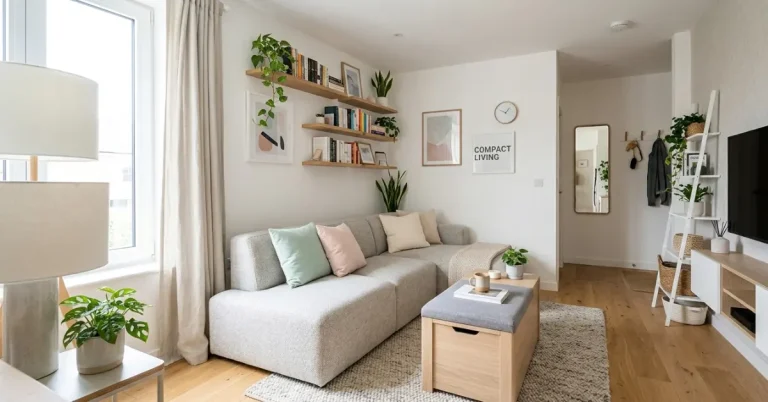
A loveseat for small spaces fits easily without making the room feel crowded. It gives you enough seating while keeping your layout clean and open.
Couples and shared seating
A loveseat for couples creates a close and cozy sitting experience. It works well for relaxing, chatting, or watching something together.
Accent seating in living rooms
Use a loveseat as a secondary seat next to a main sofa. It adds style and extra seating without taking too much space.
TV watching and short sessions
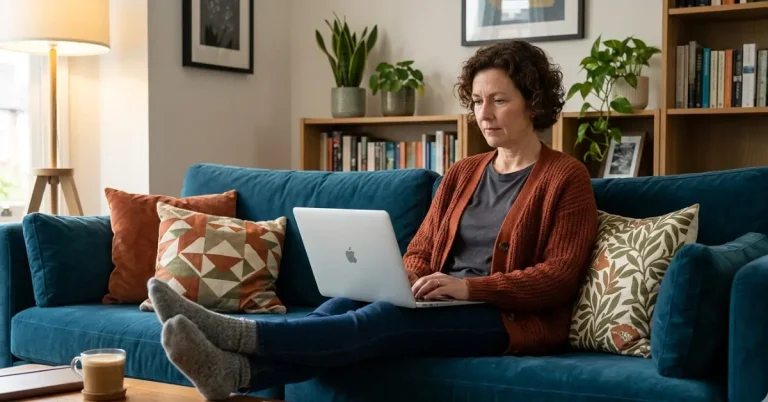
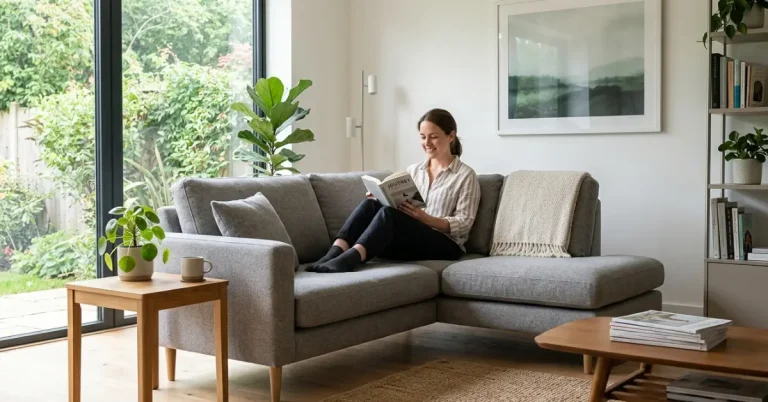
Loveseats are great for short to medium sitting. Perfect for watching TV, reading, or quick breaks. Not ideal for all day lounging.
Quick takeaway
Loveseats feel most comfortable in small, casual, and low traffic settings.
They work best when you do not need full body stretch or long hours of use.
When Loveseats Feel Uncomfortable
Loveseats are not always the best choice for comfort. Many people ask why are loveseats uncomfortable. The answer usually comes down to size, support, and how they are used. If you expect the same comfort as a full sofa, you may feel disappointed.
Too narrow for lounging
Loveseats are built for compact spaces. This means less room to move. You cannot stretch your legs fully or shift positions easily. For lounging, space matters a lot. A narrow seat can make you feel restricted after a short time. This becomes more noticeable during long sitting sessions.
If you like to curl up or lie down, a loveseat may feel limiting. It works better for upright sitting than relaxed lounging.
Poor cushion support
Cushion quality can make or break comfort. Low quality foam loses shape quickly. This leads to sagging and uneven support. Over time, the seat may feel too soft or too hard in the wrong places.
Poor support puts pressure on your back and hips. This can cause discomfort even during short use. Many budget loveseats cut corners on cushion density. That is why they feel uncomfortable after a few months.
Choosing better materials can fix this, but many people overlook it.
Not suitable for sleeping
Loveseats are not designed for sleep. The short length makes it hard to lie flat. Your legs may hang off or feel cramped. The cushions may also be too firm or uneven for resting.
Some people try to use a loveseat for naps. It may work for a short rest, but not for proper sleep. Without enough space and support, your body cannot relax fully.
If you need a seat that doubles as a bed, a sofa or sleeper option is a better choice.
Bad for tall people
Height plays a big role in comfort. Tall users often struggle with loveseats. The seat depth may feel too shallow. The backrest may not support the upper body properly.
Legroom is also limited. Knees may sit too high, which affects posture. Over time, this can lead to strain and discomfort.
If you are tall, always check seat depth and height before buying. A standard loveseat may not fit your body well.
Quick takeaway
Loveseats feel uncomfortable when space, support, and body fit are not aligned. They are not built for long lounging, sleeping, or tall users. Choosing the right size and quality can reduce most of these issues.
Can You Sleep on a Loveseat?
Short answer. Not ideal.
You can sleep on a loveseat, but comfort is limited. Most loveseats are too short for full body rest. Your legs may feel cramped, and the cushions may not support your body evenly. It may work for a quick nap, but not for a full night of sleep.
Loveseats are designed for sitting, not sleeping. That is why they often feel uncomfortable when used as a bed.
When it can work
Sleeper loveseats
Some models come with a pull out bed. These are made for occasional sleeping. They offer better support than standard loveseats.
Deep cushion models
A loveseat with extra seat depth can feel more comfortable for short naps. It gives you a bit more room to adjust your position.
Quick takeaway
A loveseat for sleeping works only in limited cases. Good for short naps. Not suitable for regular sleep.
How to Make a Loveseat More Comfortable
You can make a loveseat feel much cozier with a few simple changes. Knowing how to make a loveseat more comfortable helps you enjoy it for longer sitting sessions without spending a lot of money.
Add throw pillows for lumbar support
Place small pillows behind your lower back. This improves posture and reduces pressure. It makes even a firm loveseat feel softer and more supportive.
Use seat cushions or toppers
Adding a foam or memory foam seat topper can improve cushion quality instantly. It evens out sagging areas and gives you extra padding where you need it most.
Add blankets for softness
Soft blankets or throws make the seat warmer and more inviting. They add a plush layer and can be used to cover firmer cushions.
Adjust placement for wall support
Placing your loveseat against a wall or corner stabilizes it and gives a feeling of security. It also prevents rocking or shifting while sitting.
Quick takeaway
A few simple tweaks can transform your loveseat. Pillows, cushions, blankets, and proper placement make it feel soft, supportive, and inviting for everyday use.
How to Choose a Comfortable Loveseat (Buying Guide)
Choosing a comfortable loveseat is more than picking one that looks good. Knowing what to look for in a loveseat helps you find a seat that feels supportive, cozy, and lasts for years. This loveseat buying guide breaks down the key factors to check before you buy.
Cushion Density
Cushion density is the foundation of comfort. High density foam cushions provide support and retain their shape over time. A foam density of 1.8 or higher is recommended for daily use. Softer foam may feel plush initially but can sag quickly. Firmer foam keeps your body supported, reduces pressure on your back, and prevents uneven seating. Some loveseats combine foam and feather for a balanced feel that is soft yet supportive.
Seat Depth
Seat depth determines how much you can stretch and how relaxed you feel while sitting. A depth of 20 to 24 inches works well for most people. Shallow seats feel cramped, especially for taller users, while very deep seats can make shorter users slide forward. Check the seat depth to match your height and preferred sitting posture. A proper depth keeps you comfortable for reading, TV watching, or casual lounging.
Frame Quality
The frame affects both comfort and longevity. Hardwood frames are sturdy and resist sagging. Cheap wood or particle board frames may warp or break over time, affecting how the loveseat feels. Inspect the joints, legs, and under-frame support when shopping. A strong frame keeps cushions aligned and prevents wobbling, which improves overall comfort.
Fabric Choice
Fabric affects how the loveseat feels and how comfortable it is for long sitting sessions. Breathable fabrics like cotton or linen are soft and prevent heat buildup. Leather looks stylish but can feel hot or cold depending on the season. Premium microfiber fabrics combine softness, durability, and easy maintenance. Consider your lifestyle and climate when choosing upholstery to ensure your loveseat stays comfortable.
Additional Comfort Tips
- Check cushion firmness: Sit on the loveseat before buying. Your body weight should feel evenly supported.
- Test the backrest angle: A slightly reclined backrest improves relaxation.
- Consider loveseat size: Make sure it fits your room and allows enough space to stretch.
- Look for modular options: Some loveseats allow seat or cushion upgrades for enhanced comfort.
Quick Comfort Checklist
- Cushion density: 1.8+ foam recommended
- Seat depth: 20–24 inches ideal
- Frame: Hardwood preferred over cheap wood
- Fabric: Breathable or premium microfiber for long-term comfort
A comfortable loveseat combines high density cushions, the right seat depth, a strong hardwood frame, and breathable fabric. Choosing carefully ensures long-lasting comfort, proper support, and a cozy seating experience for small spaces, couples, or casual lounging. Following this loveseat buying guide helps you avoid regret and enjoy your furniture for years.
1. 59″ Boneless Loveseat Sofa – Best Overall
This two-seater gray boneless sofa comes with removable cushions and two pillows. Its small, flexible design works in living rooms, apartments, or offices. The double-layer comfort system combines firm high-density foam with soft shredded cushions for a perfect balance of support and plush feel.

Key Features:
- Two-piece design with removable covers for easy cleaning
- Sailboat-shaped deep seat, 26.5″ depth for lounging
- High-density foam base with soft shredded cushions
- Includes two memory foam throw pillows for lumbar and neck support
- Breathable, skin-friendly corduroy fabric in Beige, Gray, or Black
- Ready to use out of the box, no assembly needed
Pros:
- Highly customizable seating feel
- Comfortable for long sitting sessions
- Compact yet stylish design
Cons:
- May feel small for taller users
- Limited sleeping space
Comfort Rating: 9/10
Best Use Case: Daily lounging, apartments, small living rooms, home office
2. Blue Loveseat Sectional Couch – Best for Small Spaces
This velvet fabric sectional loveseat offers soft-touch upholstery and thick foam padding for cloud-like comfort. Its boneless foam structure removes hard frames, reducing pressure points and allowing you to sink in fully. The modular design lets you arrange the units as a loveseat, extended sectional, or add ottomans to fit different spaces. Delivered compressed in a box, it expands to its full shape after unpacking.
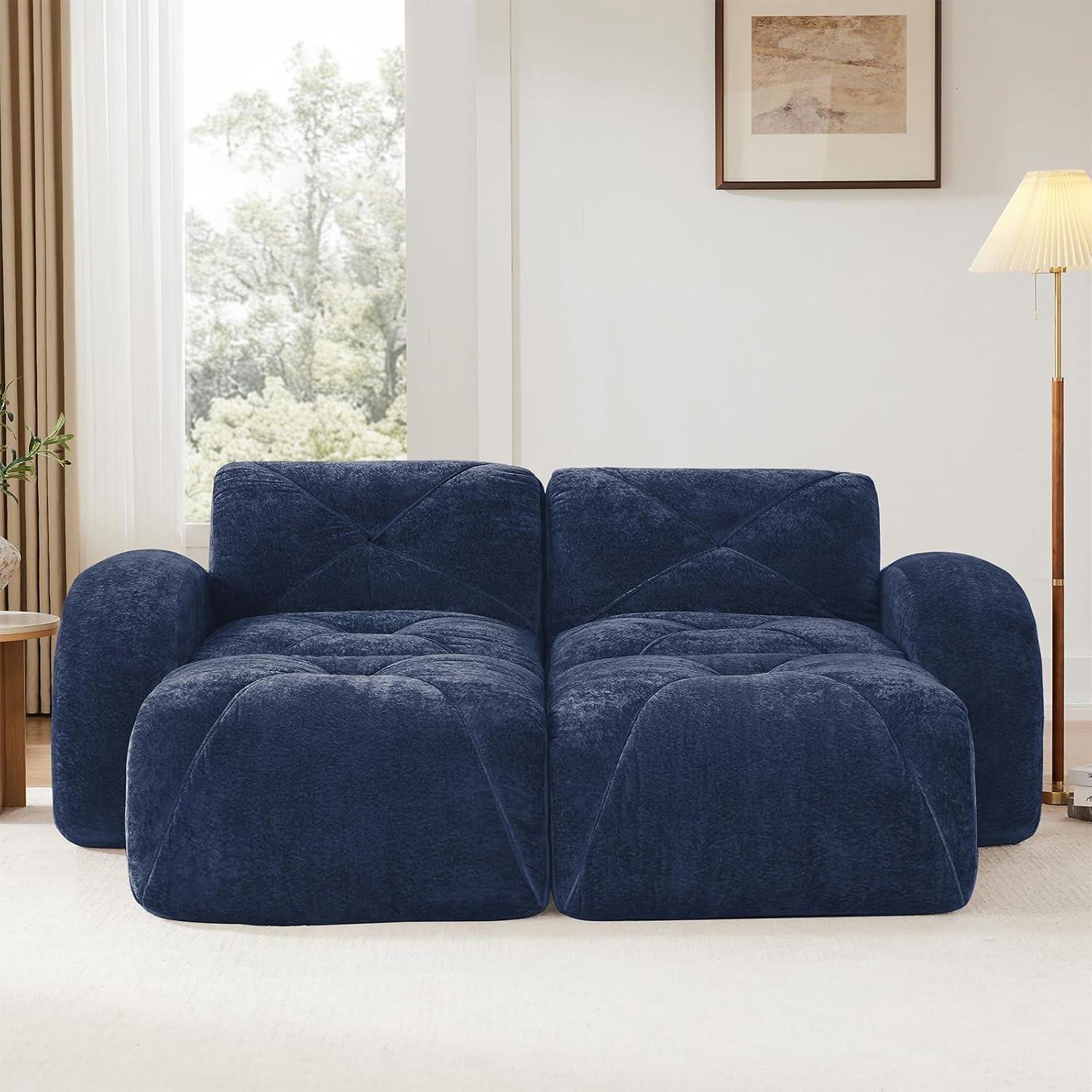
Key Features:
- Velvet upholstery with thick foam for plush comfort
- Boneless foam construction reduces pressure points
- Modular units for flexible layouts
- Includes 2 ottomans for added versatility
- Compressed box delivery for easy handling
Pros:
- Extremely soft and cozy for daily lounging
- Flexible seating arrangements for small rooms
- Stylish and modern velvet finish
Cons:
- Foam may take time to fully expand
- Not suitable for very tall users for full stretch
Comfort Rating: 9/10
Best Use Case: Apartments, small living rooms, flexible seating setups, casual lounging
3. arabicsofa Ethnic Yellow Loveseat – Best for Back Support
This bohemian-style floor loveseat features thick floor cushions designed to provide support while sitting or reclining. It must be placed against a wall or sturdy surface for stability and proper back support. Ideal for reading, relaxing, or low seating, it combines style, comfort, and durability. Removable zipped covers make cleaning simple.

Key Features:
- Floor seating cushions for cozy, supported lounging
- Must be placed against a wall for stability
- Ideal for lying down and reading
- Long-lasting materials with removable washable covers
- Unique ethnic pattern and vibrant yellow color
Pros:
- Excellent lumbar and back support when properly placed
- Comfortable for reading, meditation, or casual lounging
- Stylish bohemian design
Cons:
- Not freestanding; needs wall support
- Limited seating height and flexibility
Comfort Rating: 8.5/10
Best Use Case: Reading nooks, floor seating setups, casual lounging, bohemian-style living spaces
Final Verdict: Should You Buy a Loveseat?
Loveseats are a smart choice for the right lifestyle. They provide cozy, space-saving comfort but aren’t perfect for every situation.
Who should buy:
- Apartment dwellers looking to save space
- Minimalists who prefer compact furniture
- Couples who enjoy close, cozy seating
Who should skip:
- Families needing larger seating for multiple people
- People who nap or lounge for long hours
- Tall users who need extra legroom
If you fit the first group, a loveseat can transform your living space. Check out our top picks for the most comfortable loveseats to find the one that matches your style and needs.
Explore our best comfortable loveseats to pick the perfect fit for your home and lifestyle.
Frequently Asked Questions
Yes, loveseats are good for everyday use if you match the model to your needs. High-density cushions, proper seat depth, and ergonomic back support make them comfortable for daily sitting, TV watching, or casual lounging. They work especially well in small apartments or for couples.
Loveseats are better for small spaces and close seating for one or two people. Sofas are better for full-body comfort, long sitting, and larger families. The choice depends on room size, user height, and how you plan to use the seating.
The most comfortable loveseats are usually 59–72 inches wide with a seat depth of 20–24 inches. This size accommodates most users while providing enough space for one or two people without feeling cramped.
You can sit comfortably on a well-cushioned loveseat for 1–3 hours at a time. Ergonomic design, lumbar support, and high-density foam allow for longer sessions, but loveseats are not ideal for sleeping or extended lounging.